Loading...

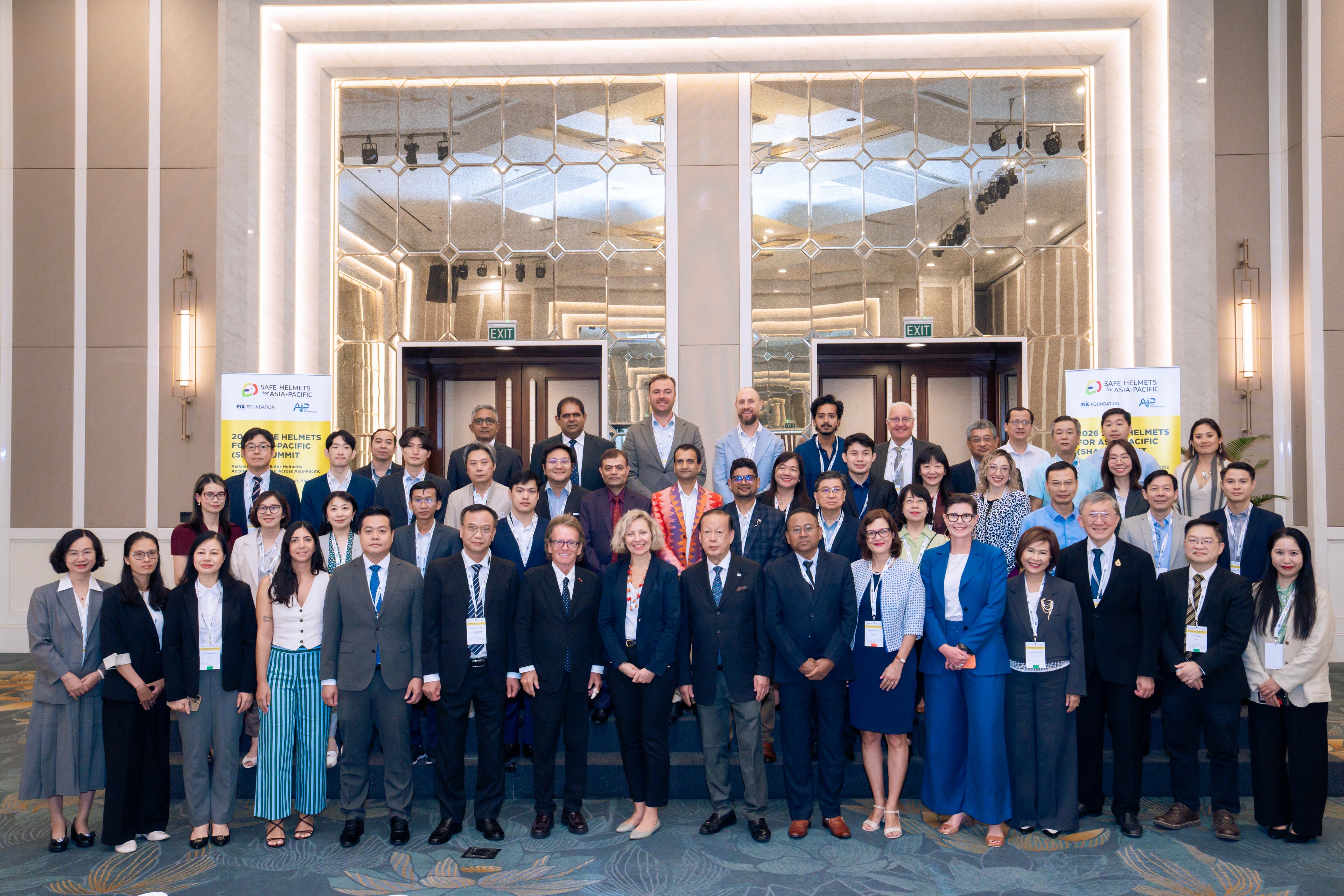
Governments, road safety experts, development partners, and civil society organizations from across Asia Pacific came together in Hanoi for the Safe Helmets for Asia Pacific (SHAP) Summit 2026, calling for stronger action and regional cooperation to ensure that the motorcycle helmets are not only widely used, but also effective and accessible.
More than half of the world’s road traffic fatalities occur in South-East Asia and the Western Pacific, where powered two- and three-wheelers account for more than a third of deaths. Safe helmet use reduces the risk of death sixfold, and the risk of brain injury by up to 74%, but progress has been uneven across the region, particularly in opening up access to quality helmets. High rates of helmet wearing alone do not guarantee protection. Effective helmet safety depends on strong systems covering standards, testing and certification, product quality, market surveillance, enforcement, public awareness, affordability, and access.
During the ‘Partnerships for Safer Helmets: Accelerating Action Across Asia-Pacific,’ conference, the Summit highlighted the need to move beyond a narrow focus on helmet use to the quality of helmets. The SHAP Summit welcomed representatives from Cambodia, Nepal, the Philippines, Thailand, and Vietnam to share experiences, build knowledge, and map national plans for safer helmets.
Aggie Krasnolucka, FIA Foundation Programmes Director, said: “Motorcycles are an essential way to move across countries of Asia Pacific. Safe, certified helmets are one of the most effective solutions to prevent death and serious injury for motorcycle riders. SHAP brings together the region for governments and technical partners to focus on how every rider, every passenger, and every family is protected.”
At the conclusion of the 3-day SHAP Summit, participating countries identified and explored practical approaches to strengthening helmet standards, testing and certification, quality assurance, market surveillance, enforcement, and affordability as key areas for continued action. Participants also agreed to further regional cooperation and to provide a foundation for continued work through the SHAP Initiative.
The discussions in Hanoi reinforced a shared message: helmet safety requires more than helmet use. It requires strong systems and partnerships that ensure every rider and passenger has access to a helmet that is safe and capable of providing meaningful protection.
The next stage for countries across Asia-Pacific is to build on those lessons and strengthen the systems that make helmets truly safe. Through continued cooperation, shared learning and practical action, SHAP aims to help countries move from helmet wearing to comprehensive helmet safety systems across the region.
Vietnam demonstrates what coordinated action can achieve. Following the introduction of its universal helmet law in 2007, adult helmet-wearing rates rose from as low as 6% to more than 90%. AIP Foundation estimates that the law has contributed to US$12.045 billion in savings in medical costs and lost economic productivity.
“We must now ensure that the helmets people wear are safe, certified and capable of providing meaningful protection. SHAP gives countries across Asia-Pacific an opportunity to learn from one another and work together to build stronger helmet safety systems,” said Sir Greig Craft, Founder and President of AIP Foundation.
“SHAP is bringing countries together to understand and tackle the shared challenges across the Asia Pacific Region. We’ve been building technical expertise about what makes a protective and effective helmet, showing how manufacturing and testing can be achieved right here in Vietnam, and setting up the road map for policy and implementation across the region,” added Dr. Terry Smith, International helmet expert and road safety specialist.
The Safe Helmets for Asia Pacific (SHAP) Initiative was established to help address this challenge by bringing countries and partners together to share knowledge, strengthen capacity, and support practical action. Building on its inaugural regional workshop in Manila last year, the SHAP Summit 2026 created a platform for countries to exchange experiences and explore practical approaches to strengthening helmet standards, testing and certification, quality assurance, market surveillance, enforcement, and affordability.
Together, we can build a world where every person can move safely, fairly, and freely. Join us in delivering sustainable and equitable mobility to communities around the world by donating today.




Stay informed with our latest mobility highlights every month!